Features / Building and managing your library
Competencies

Your competencies and programmes, built your way and kept current

Your educators have already written the standards your staff work to. Compassly brings them together in one library, organised the way your teams work, so when guidance changes you update a competency once and decide exactly who it reaches.

Built from your own content

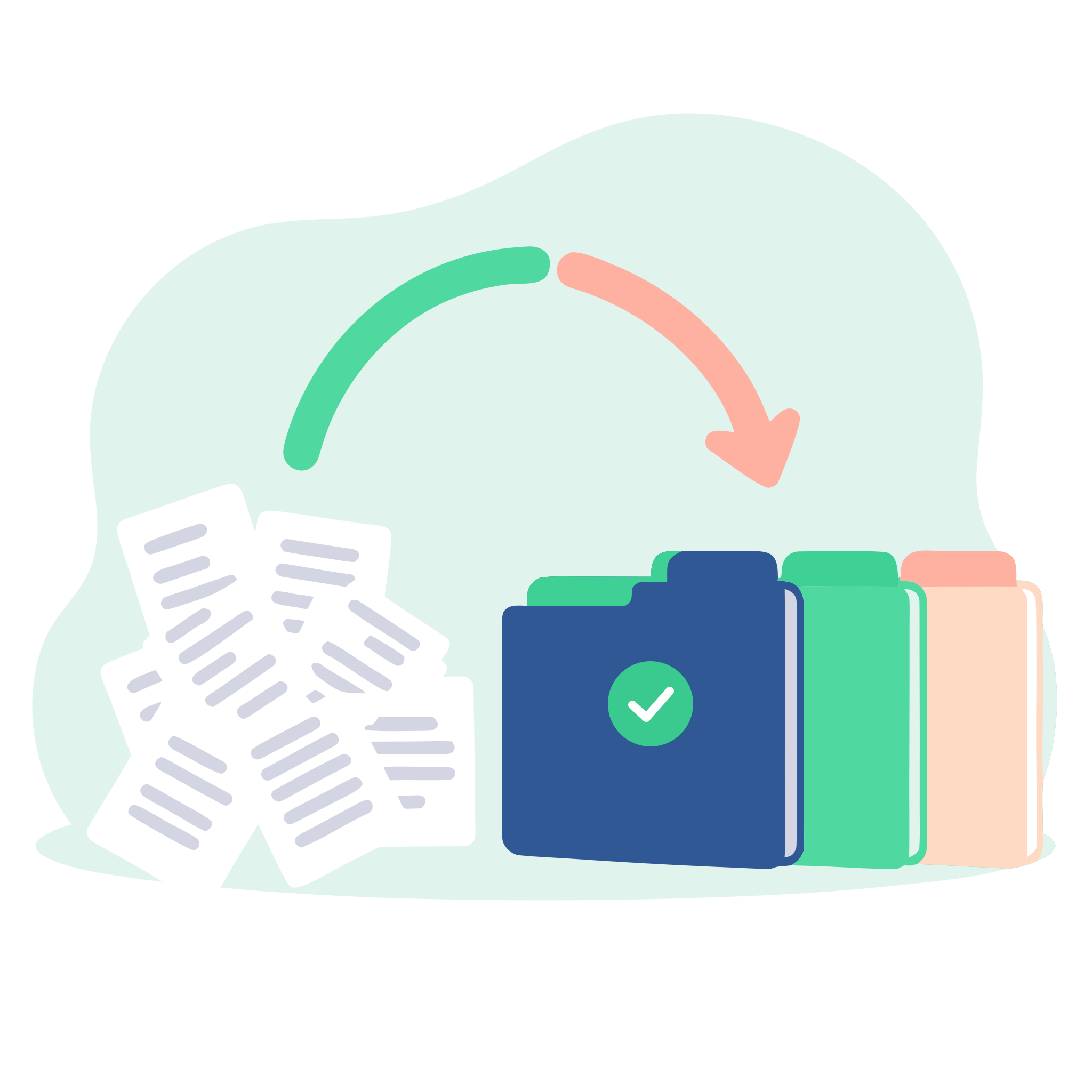
Most organisations already have the competencies their staff work to, written by their own educators and grounded in local practice. Compassly holds them in one library alongside your programmes, such as preceptorship, grouped in whatever way makes sense to you: by staff group, care setting or topic. Because it is your own content, what people complete in Compassly matches what your educators already teach.

Each competency is made up of stages, which can hold questions, observed practice, declarations and evidence, so you can bring across the way your educators assess today. Competency authors decide how long people have to complete it, how long it lasts before renewal, whether it needs a final sign-off and what has to come first, so every competency is set up to suit the skill, while your organisation keeps control of who can sign off.

A competency can also have shorter routes for particular situations, such as renewal, so people's time goes where it is needed. Our page on renewal and expiry explains how they work.

The same standard everywhere

Many competencies share the same pieces, such as an observed practice stage or a standard set of declarations. Save them once as templates and reuse them across your library, so your agreed wording is identical wherever it appears. When you improve a template, every competency that uses it picks up the change the next time you publish, so one improvement reaches your whole library.

Update guidance with confidence

Clinical guidance changes, and so does equipment. You rework a competency in a draft, so nobody sees half-finished work, and before anything goes live Compassly shows you exactly what has changed.

Compassly then works out how far each change reaches and applies it to everyone's records for you. A simple wording change updates records in place, even for people part way through, while a structural change applies to anyone who hasn't yet started the competency. Where it matters, such as outdated clinical guidance, competency authors can also require everyone to move to the new standard, including work in progress and, where your organisation decides it is needed, completed competencies too.

Every earlier attempt stays in each person's history, and Compassly lets people know when a competency they hold has been updated. So if your wards move to a new model of syringe driver, you can retire the old competency, roll out the new one to everyone who needs it, and still show who was competent on the old model.

Guidance right where people learn

Attach the reference material (policies, guidelines, videos and documents) behind each competency, to the whole competency, to one stage or to a group of questions, with specific signposting to the relevant part of each policy or guideline. That way people can always find the guidance behind what they are learning and being assessed on. One reference can serve many competencies, so when a policy is updated you replace it once and everyone sees the new version straight away.

Build on shared standards

Your library can draw on others' work as well as your own, so your educators can spend their time on what is specific to your organisation. Competencies from other organisations and from national bodies can sit alongside yours, and you can add your own local references to a shared competency without changing it for anyone else. Sharing is always agreed on both sides, and the competency author keeps ownership of its content.

How this helps staff who move between organisations is covered on our page on working across organisations.

On record, never locked in

Your library stays well documented, and your content stays yours to work with.

Every version on record. Each published version of a competency is numbered and kept, and Supervisors can see its version history in the app, with each version's date and what changed. That makes it simple to show colleagues and auditors how a competency has developed over time.

Reference codes. Each competency can carry a code under its name, such as MED-012, linking it back to the source material it was written from. Codes keep large libraries in order, are available in reporting, and let you join Compassly data with other systems in your organisation.

Move content in and out. Organisation admins can export competencies and programmes from the library as a CSV file, in the same format used for import. Content can be reviewed or edited outside Compassly and imported again into a draft, so your educators can work in the tools they already know and your content is always yours to take.

See your own content in Compassly