Features / Assessment and marking
Competencies

Competency assessment that fits around clinical work

Clinical competence shows in practice, in writing and in conversation. Compassly brings all three into one assessment on whatever device is to hand, and keeps every observation, answer and mark on the record, so you can see exactly how each competency was assessed.

Assessment where the work happens

Most competencies come down to watching someone do the work. In Compassly the Supervisor reads a short briefing, so they know exactly what is required and every assessor assesses consistently, then records each step as it happens, in whatever order the work unfolds, using your organisation's own scale such as pass, minor and fail. If they are called away, they can come back to it later or a colleague can pick it up, so the assessment fits around the shift, and every answer is recorded against who gave it and when.

The person being assessed can read everything they will be assessed against beforehand, so they arrive prepared. Afterwards, a debrief gives them feedback to read before their next attempt, and the full report of every completed assessment stays available to them in My Profile.

Built for each competency

Each competency is made up of the stages that best assess competent demonstration of the skill: declarations, evidence such as a certificate, knowledge questions, a discussion and observed practice. Questions can be tick boxes, written answers or multiple choice, and can show an image such as a scoring chart or a piece of equipment right beside the question, so people know exactly what is being asked about.

People work through a competency a stage at a time, fitting it around their shifts, and they and their supervisors can see exactly where they are, so support goes where it is needed.

Multiple choice marks itself

Multiple choice questions are marked automatically, so Supervisors spend their time on the answers that need professional judgement and people know straight away where they stand. Supervisors see the right and wrong answers alongside the ones the person chose, so they can talk a question through and help build the person's knowledge.

Written work, with feedback

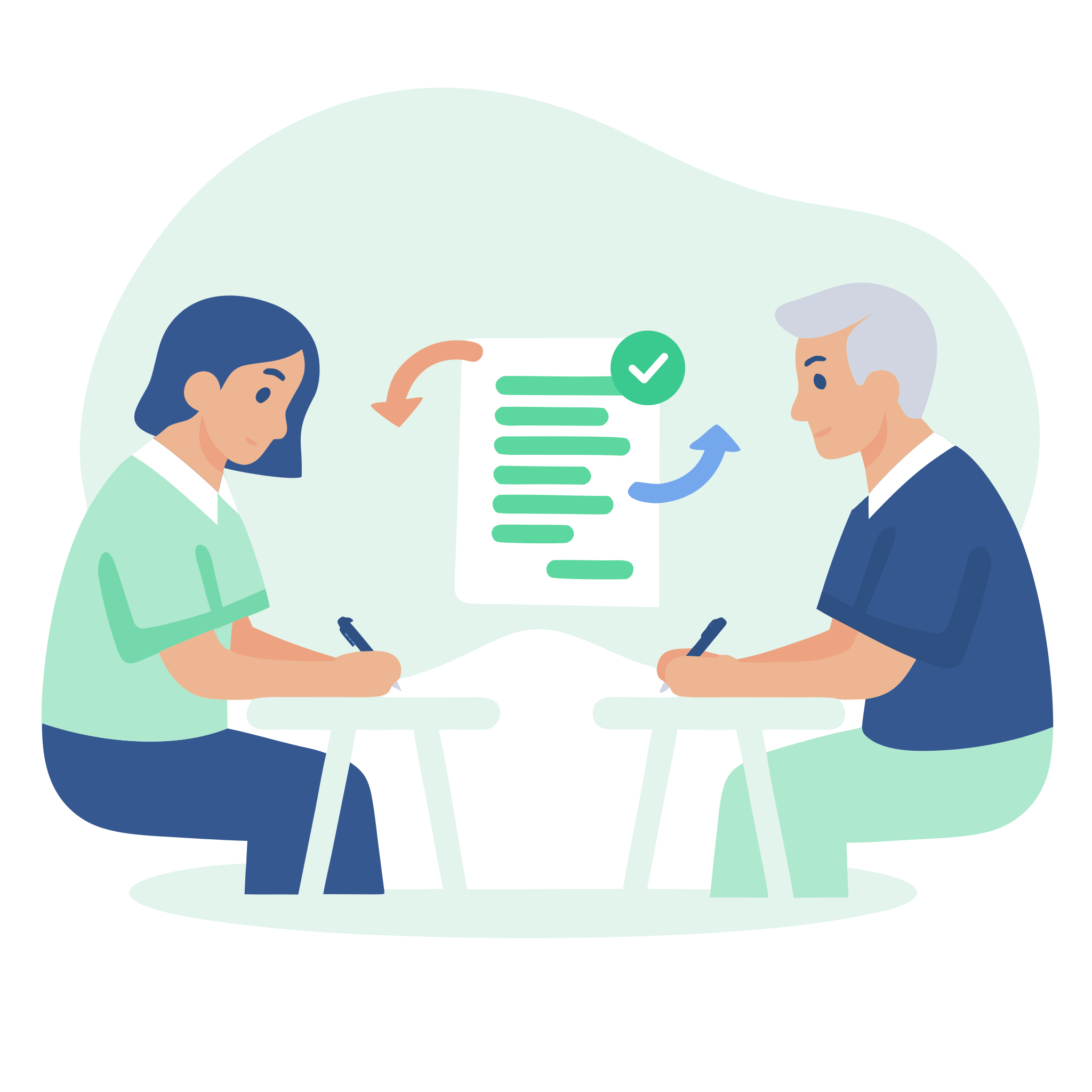
Written answers pass back and forth between the person and their Supervisor, who marks each question, adds notes, and returns the work for corrections or passes it. Each side is notified as soon as it is their turn, so feedback arrives while the work is still fresh, and answers that have passed are locked so the person only revisits what needs more work.

Every turn is kept, along with the time each side actively spent, so educators can see how each person's understanding developed over the course of the work.

Knowledge assessed through discussion

Some knowledge is better assessed through discussion. A question can carry an answer guide that only the Supervisor sees, so they can ask the question out loud and assess the reply against the guide.

Talking an answer through fits more easily around busy shifts than writing it down, and lets the Supervisor fill gaps and add local guidance for their area. The trade-off is a lighter record, because the answers themselves are not written down.

AI suggests, Supervisors decide

AI marking can take the first look at written answers, comparing each one with the question's answer guide and suggesting a pass or a fail, with a short reason when it suggests a fail. The Supervisor accepts, amends or rejects each suggestion and finalises the work themselves, so AI saves time on routine answers while every mark remains a person's decision.

It is optional at every level: your organisation chooses whether to use it, and each Supervisor decides whether to opt in.

Rigour matched to risk

Competencies vary, and so can the way they are assessed. Competency authors set each one up to suit the skill and the risk involved.

Passes set by risk. Each competency can need a different number of successful assessments, so a low-risk competency might be assessed once and a high-risk one three times or more. A common example is three passes to gain it and one to renew.

From simulation to practice. Stages can move from formative to summative, such as simulated practice before practice with patients. Where competency authors allow it, people can also practise to build confidence, without it affecting their result.

Choice within a standard. A Supervisor can choose which stages each person completes from a list, such as a set of case studies, so the assessment reflects the person's own area of practice, with a minimum set by the competency author so everyone meets the same standard.

Fresh questions every time. Competency authors can write a pool of multiple choice questions, and Compassly draws a different set for each person and each attempt, so every attempt is a fresh test of knowledge.

A record of every mark

Every answer, mark and note is recorded against the person who made it, with the date, so educators and managers can show exactly how a competency was assessed, whenever an audit or inspection asks. Who can assess and sign off each stage, and how a result that would fail a competency can be reviewed before it counts, are covered in our section on governance controls.

See an assessment in action